

Beijing Daxing airport transfer Beijing, the capital of China, is located in the northern part of the North China Plain. It attracts tourists worldwide with its rich historical heritage, featured traditional culture and a bustling modern cityscape. This city is not only China’s political and cultural center but also a treasure of Chinese civilization. Beijing has many historical sites such as the Forbidden City, Temple of Heaven, and the Great Wall, each carrying profound historical memories. At the same time, Beijing’s modernization has also achieved world-renowned achievements, with world-class shopping, food, and entertainment venues. Whether it’s the ancient hutongs or the modern CBD, Beijing showcases its unique charm. Here, you will experience the perfect blend of ancient and modern, tradition and innovation. Beijing Daxing International Airport, located about 46 kilometers south of Beijing’s city center, is one of the world’s largest and most modern airports. Opened in September 2019, it features a stunning starfish-shaped terminal designed by Zaha Hadid Architects. The airport is designed to handle up to 100 million passengers annually and offers state-of-the-art facilities, efficient transportation connections, and advanced technology to enhance passenger experience. Daxing serves as a major hub for international and domestic flights, significantly […]
Monthly Archives: July 2024
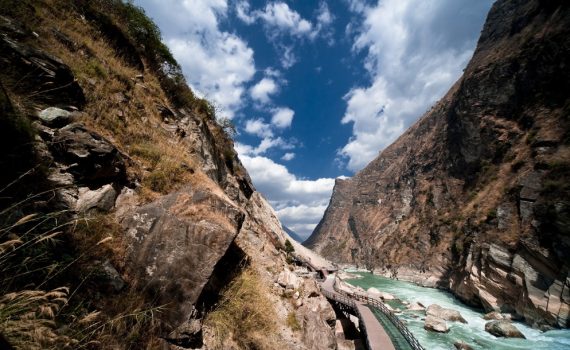
Tiger Leaping Gorge Tiger Leaping Gorge, nestled in the Yunnan Province of China, is one of the world’s deepest and most spectacular canyons. Stretching approximately 15 kilometers (about 9 miles) long, this natural wonder is renowned for its breathtaking scenery, dramatic landscapes, and adventurous trekking opportunities. In this comprehensive guide, we will explore everything you need to know about visiting Tiger Leaping Gorge, including its geography, history, trekking routes, travel tips, and more. 1. Brief Introduction Tiger Leaping Gorge is a magnificent natural feature in Yunnan Province, China, formed by the Yangtze River cutting through the Hengduan Mountains. It is famous for its dramatic landscapes, where the river rushes through a deep gorge flanked by towering peaks. The name “Tiger Leaping Gorge” originates from a local legend that a tiger leapt across the river at its narrowest point to escape a hunter. The gorge attracts trekkers and nature enthusiasts from around the globe who come to experience its rugged beauty and challenging trails. Whether you’re an experienced hiker or a casual traveler, Tiger Leaping Gorge offers a unique adventure in one of the most stunning natural settings in China. 2. Geography and Formation Tiger Leaping Gorge is situated in the […]
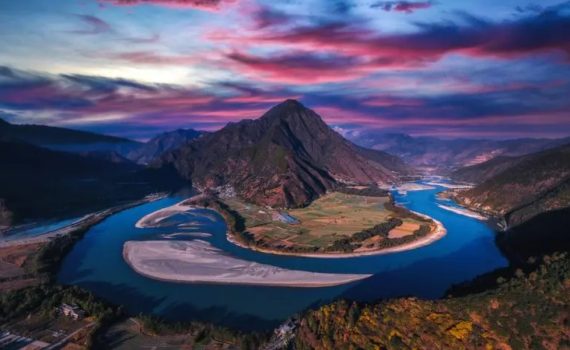
The First Bend of the Yangtze River is one of China’s most magnificent natural phenomena, known for its dramatic 180-degree turn. This natural wonder is not only a breathtaking sight but also holds significant geographical, cultural, and historical importance. Located in the Yunnan province near the town of Shigu, this unique bend marks a pivotal point where the river shifts direction, impacting the landscape and the lives of the people around it. This article delves into the intricate details of the First Bend of the Yangtze River, exploring its geological formation, ecological significance, cultural impact, and its role in tourism. Brief Introduction The Yangtze River, the longest river in Asia and the third-longest in the world, stretches over 6,300 kilometers from the Tibetan Plateau to the East China Sea. The First Bend of the Yangtze River is located in the Yunnan province, approximately 50 kilometers from Lijiang. This iconic bend occurs as the river flows southeast before abruptly turning northward, creating a dramatic and picturesque loop. The area around the First Bend is renowned for its stunning natural beauty, rich biodiversity, and vibrant cultural heritage, making it a significant attraction for both nature enthusiasts and cultural explorers. Geological Formation The […]
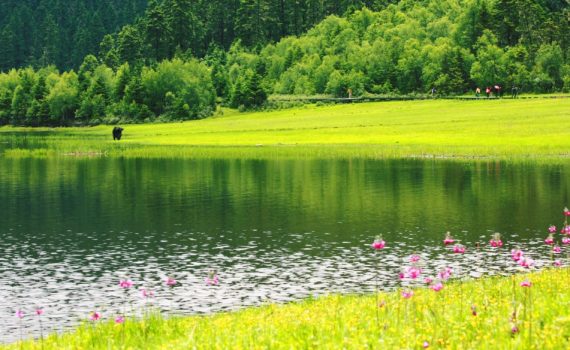
Introduction Nestled in the heart of Shangri-La, Yunnan province, Pudacuo National Park is a testament to the untouched beauty of China’s natural landscapes. As the first national park in mainland China to meet the standards of the International Union for Conservation of Nature, Pudacuo is a haven for biodiversity, breathtaking scenery, and cultural heritage. Spanning over 1,300 square kilometers, the park encompasses pristine lakes, verdant forests, and alpine meadows, offering an unparalleled experience for nature enthusiasts and travelers alike. Historical Background Pudacuo National Park was established in 2007, making it one of the newer additions to China’s extensive network of protected areas. The park’s creation was part of a broader initiative to preserve the unique ecosystems and cultural heritage of the region, which is home to several ethnic minority groups, including the Tibetan, Naxi, and Yi peoples. The name “Pudacuo” is derived from the Tibetan language, reflecting the park’s deep cultural and spiritual significance to the local communities. Biodiversity and Ecology Pudacuo National Park is renowned for its rich biodiversity, harboring numerous species of plants and animals, many of which are rare or endangered. The park’s diverse ecosystems range from temperate forests and alpine meadows to wetlands and freshwater lakes. […]
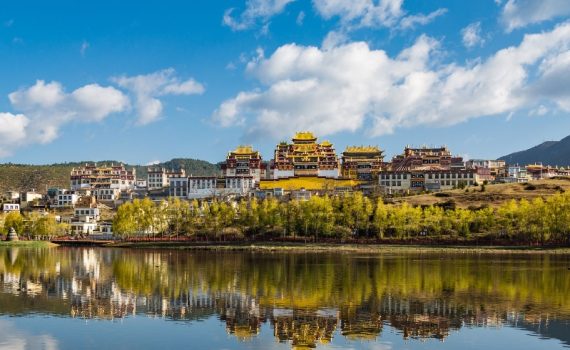
Brief introduction: Nestled in the scenic landscapes of Yunnan province, China, Songzanlin Monastery, also known as Ganden Sumtseling Monastery, stands as a testament to Tibetan Buddhism’s rich cultural heritage. Often referred to as the “Little Potala Palace,” this majestic monastery is the largest Tibetan Buddhist monastery in Yunnan and is located near the city of Shangri-La (formerly Zhongdian). The monastery’s blend of cultural, spiritual, and architectural grandeur makes it a must-visit destination for travelers seeking a deep connection with Tibetan Buddhist traditions. Historical Background Songzanlin Monastery was built in 1679 under the direction of the Fifth Dalai Lama. The monastery has since been a vital center for Tibetan Buddhism in the region, housing over 700 monks at its peak. Despite facing destruction during the Cultural Revolution, the monastery has been carefully restored, maintaining its historical and spiritual significance. Architectural Splendor The architecture of Songzanlin Monastery reflects a blend of Tibetan and Han Chinese styles, characterized by its grand golden roofs, intricate woodwork, and vibrant murals. The complex is constructed around two main halls, Zhacang and Jikang, which house numerous Buddha statues, thangkas (Tibetan paintings), and scriptures. The monastery’s layout resembles a small village, with residential quarters for monks, assembly halls, […]
 English
  Spanish
  French
  German
  Korean
  Italian
  Japanese