
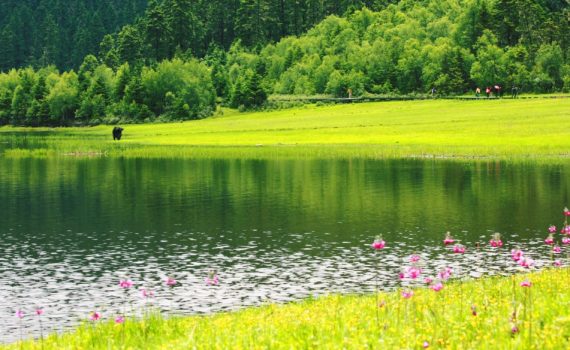
Introduction Nestled in the heart of Shangri-La, Yunnan province, Pudacuo National Park is a testament to the untouched beauty of China’s natural landscapes. As the first national park in mainland China to meet the standards of the International Union for Conservation of Nature, Pudacuo is a haven for biodiversity, breathtaking scenery, and cultural heritage. Spanning over 1,300 square kilometers, the park encompasses pristine lakes, verdant forests, and alpine meadows, offering an unparalleled experience for nature enthusiasts and travelers alike. Historical Background Pudacuo National Park was established in 2007, making it one of the newer additions to China’s extensive network of protected areas. The park’s creation was part of a broader initiative to preserve the unique ecosystems and cultural heritage of the region, which is home to several ethnic minority groups, including the Tibetan, Naxi, and Yi peoples. The name “Pudacuo” is derived from the Tibetan language, reflecting the park’s deep cultural and spiritual significance to the local communities. Biodiversity and Ecology Pudacuo National Park is renowned for its rich biodiversity, harboring numerous species of plants and animals, many of which are rare or endangered. The park’s diverse ecosystems range from temperate forests and alpine meadows to wetlands and freshwater lakes. […]
Daily Archives: 2024年7月18日
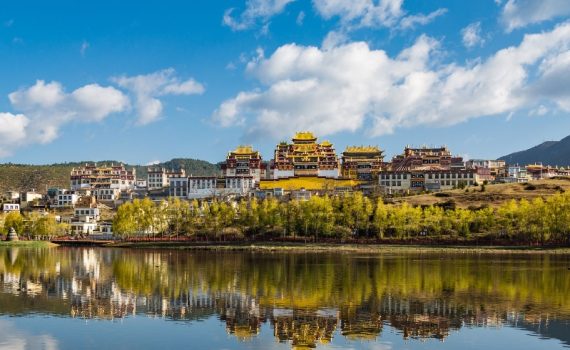
Brief introduction: Nestled in the scenic landscapes of Yunnan province, China, Songzanlin Monastery, also known as Ganden Sumtseling Monastery, stands as a testament to Tibetan Buddhism’s rich cultural heritage. Often referred to as the “Little Potala Palace,” this majestic monastery is the largest Tibetan Buddhist monastery in Yunnan and is located near the city of Shangri-La (formerly Zhongdian). The monastery’s blend of cultural, spiritual, and architectural grandeur makes it a must-visit destination for travelers seeking a deep connection with Tibetan Buddhist traditions. Historical Background Songzanlin Monastery was built in 1679 under the direction of the Fifth Dalai Lama. The monastery has since been a vital center for Tibetan Buddhism in the region, housing over 700 monks at its peak. Despite facing destruction during the Cultural Revolution, the monastery has been carefully restored, maintaining its historical and spiritual significance. Architectural Splendor The architecture of Songzanlin Monastery reflects a blend of Tibetan and Han Chinese styles, characterized by its grand golden roofs, intricate woodwork, and vibrant murals. The complex is constructed around two main halls, Zhacang and Jikang, which house numerous Buddha statues, thangkas (Tibetan paintings), and scriptures. The monastery’s layout resembles a small village, with residential quarters for monks, assembly halls, […]
 English
  Spanish
  French
  German
  Korean
  Italian
  Japanese